Use sustainable cosmetics
- Earth Points
- 10


- Ease
- Medium
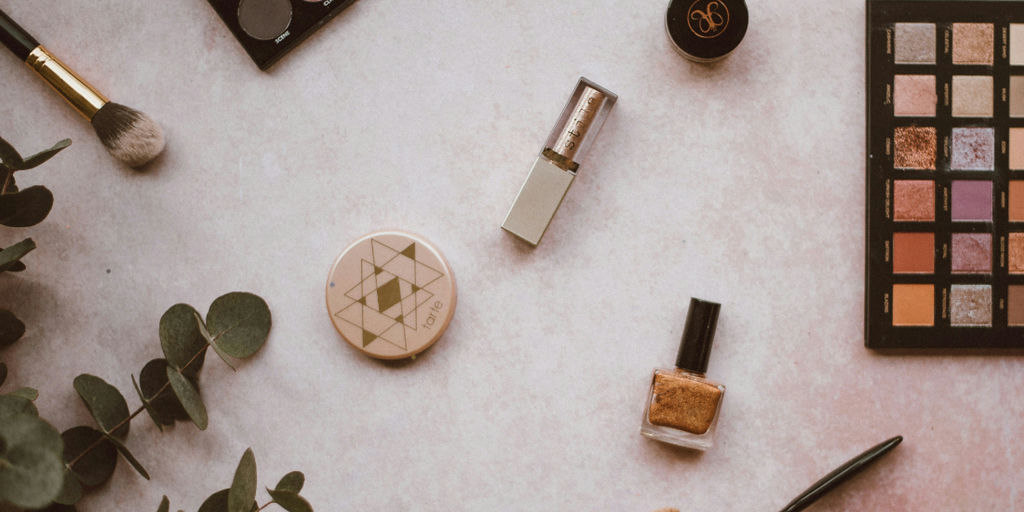
Photo by Annie Spratt on Unsplash
Description
The beauty industry is a mega-global business and a significant contributor to environmental issues due to excessive packaging and the associated deforestation and waste. Plus there are questionable ethical practices.
Each year, the industry generates hundreds of billions of units of packaging waste, including plastics, paper, glass, and metals, which often end up in landfills.
Additionally, the beauty industry contributes to environmental issues such as deforestation, pesticide use, and reliance on oil-based fertilizers through its demand for certain agricultural commodities. Ingredients like palm oil, prevalent in cosmetics, are major drivers of deforestation, especially in Southeast Asia. The cultivation of crops for cosmetic ingredients often involves substantial pesticide application and synthetic fertilizers derived from fossil fuels. These chemicals can contaminate soil and water, posing risks to ecosystems and human health.
Cosmetic ingredients also pose environmental and health risks. Many cosmetics contain harmful chemicals such as parabens, phthalates, and o-phenylenediamine, which are linked to health issues like hormonal disruptions, cancer, and skin irritation. The use of synthetic fragrances adds to these concerns with their potential to cause allergic reactions and other health problems.
Chemicals in cosmetics can pose another environmental concern. When washed off, these chemicals enter our water systems, flowing into lakes, rivers, and water supplies. This can damage wildlife and aquatic plants, affecting entire ecosystems.
The social side of the beauty industry can also be concerning, with unethical practices like child labor in mica mining for cosmetic products. Mica, a natural silicate mineral dust, is commonly used to add shine to products, but its mining often involves child labor, particularly in India.
Despite these challenges, consumers can make more sustainable choices by opting for eco-friendly makeup products or cutting back on these products and saving some money. Look for cosmetics with natural, organic ingredients that are free from harmful chemicals. Choose brands that use sustainable packaging materials like paper/recycled paper, recycled plastic, or glass. Supporting cruelty-free products is also crucial,as animal testing remains a practice in the industry.
By being mindful of the environmental impact of beauty products and making conscious purchasing decisions, you can help reduce waste, promote ethical practices, and protect both your health and the planet.
Tips
• The most sustainable cosmetic product is the one you do not buy or use at all. Every beauty product, no matter how eco-friendly, requires resources to produce. You look amazing, and remember, there is an army of marketers out there trying to convince you that you need to buy more stuff.
• If you do need a little something, investigate brands and products to ensure they are genuinely eco-friendly and not just engaging in greenwashing. Read the product ingredients! Look for cosmetics that use natural or organic ingredients. Check the product labels for certifications like:
- Ecocert,
- COSMOS
- Leaping Bunny, which indicate adherence to sustainable and ethical practices.
• Opt for Eco-Friendly Packaging - Choose makeup products that use biodegradable or recyclable packaging materials, such as paper or glass. Avoid products with excessive packaging or microbeads, which contribute to plastic pollution. Refill the product bottles where possible instead of replacing them.
• Proper Disposal - Dispose of expired or unused makeup through proper recycling channels or return programs offered by some brands. Avoid pouring cosmetics down the drain, as this can contaminate waterways. Instead, use designated disposal facilities for hazardous waste.