Eco-Smart Home Remodeling 101
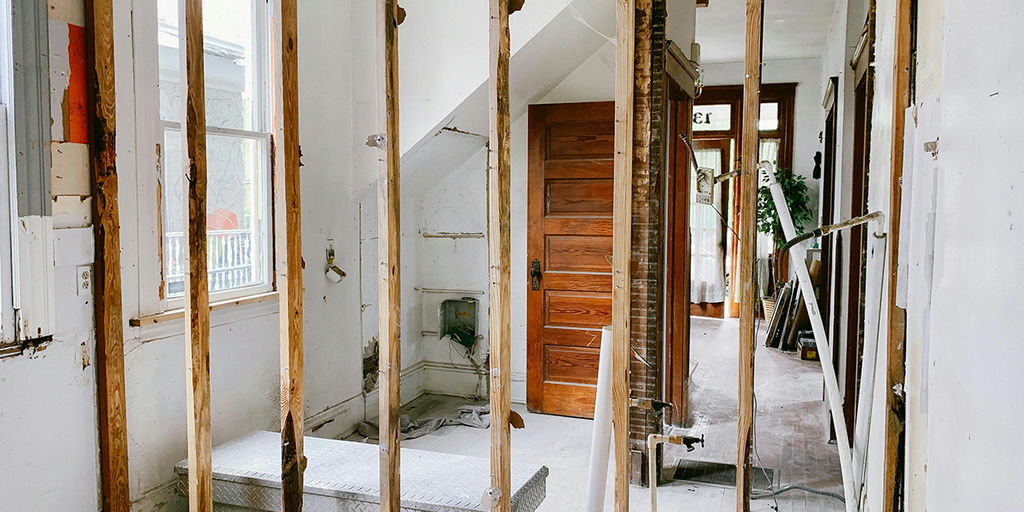
Photo by Monica Silvestre on Pexels
Eco-friendly smart home remodeling promises lower waste and better day-to-day living, yet it’s easy to overspend on energy-efficient home upgrades that do not match the home or habits. The real challenge is balancing environmental impact reduction with real home comfort enhancement, and saving yourself money in the long-run. Learn how not to over-rely on buzzwords or guesswork. A clear way to think about “eco-friendly” and “smart” makes it easier to spot changes that truly fit your home.
Understanding Eco-Friendly Smart Remodeling Basics
Eco-friendly smart remodeling means upgrading your home in ways that cut waste and energy use, while using technology to run things more efficiently. The foundation is simple: improve the building first, choose greener materials where they matter, then add smart controls and renewable power that match your routines.
This matters because the smartest gadget cannot fix a drafty room or poor insulation, and “green” finishes do not help if your big energy loads and bills stay the same. With the smart home market valued at USD 216.3 billion, options are everywhere, so a few basic principles keep you from buying noise instead of results.
Think of it like a balanced meal: insulation and air sealing are the protein, efficient appliances are the carbs, and smart thermostats are the seasoning that makes it all work better. Solar or a heat pump can be the dessert, but only after the main course is solid. With the basics clear, you can price high-impact upgrades and compare funding with predictable payments.
Paying for the Work
Once you know which eco-friendly smart upgrades matter most, the next question is whether you have the upfront cash to pay for them. Ideally, you want to avoid compounding interest from a loan, which can really eat into the return on your home improvement investment. However, for a high-impact project, a home equity loan can help by giving you a lump sum to put toward higher-impact improvements, using your home’s equity as collateral. Because you receive the money all at once, it can be a fit when you’re planning larger purchases and want predictable payments with a fixed rate, so your budget does not swing month to month.
Typical eligibility requirements include having enough equity in your home, solid credit, steady income, and a debt-to-income ratio that meets the lender’s guidelines. To compare current pricing and terms in one place, check home equity credit rates. With your financing approach clarified, you’ll be ready to follow a step-by-step roadmap for planning and executing the remodel.
Sequencing Your Eco-Smart Remodel
The following roadmap can help you remodel in a clean, logical order so that eco-friendly materials, efficient appliances, and automation work together from day one. For most homeowners, the right sequence prevents expensive rework and avoids “smart” devices that feel like disconnected add-ons:
- Map goals, rooms, and a single control plan **- **Start by listing what you want to improve first: comfort, lower utility bills, indoor air quality, security, or convenience. Then choose one “brain” for the house (a hub or platform) and decide which systems should connect to it, since smart home systems work best when planned as one ecosystem.
- Upgrade the home shell before adding tech - Prioritize insulation, air sealing, efficient windows, and low-VOC finishes so your home needs less heating and cooling in the first place. Doing this early reduces the size and runtime demands on HVAC and makes every smart setting more effective.
- Rough-in wiring, network, and sensor locations -** **Confirm where you want outlets, dedicated circuits, Ethernet or conduit, and placement for thermostats, leak sensors, and smart switches. This “behind-the-walls” period is the best time to be future-proof, so you are not cutting into fresh tile or drywall later.
- Install energy-efficient appliances and core mechanicals -** **Choose appliances and equipment that match your improved home shell, then verify they can connect to your chosen platform and that installers understand any connectivity requirements. For example, heat pumps for heating and cooling of air and water, and induction and convection for cooking. The growth of the energy-efficient technologies market, reaching $200 billion in 2025, reflects how common these upgrades have become, so ask for models with proven efficiency and dependable support.
- Layer in automation scenes and test integration room by room -** **Set up simple routines like “Away,” “Sleep,” and “Morning” that combine lighting, temperature, and security, then test each room for a full week. Adjust one variable at a time so you can spot what is causing issues, and document device names and settings for easy troubleshooting.
Eco-Friendly Smart Remodel Q&A
Q: What eco-friendly smart upgrades give the best payback? A: Start with comfort and efficiency basics: insulation, air sealing, and a smart thermostat that can actually control your HVAC well. Then add high-impact controls like smart switches and leak sensors to prevent costly damage.
Q: How do I decide what’s worth the cost without overbuilding? A: Do a simple cost-benefit analysis for each upgrade: upfront cost, expected utility savings, maintenance, and comfort benefits. Rank projects by “impact per dollar” and start with the top two or three. This keeps your plan realistic even if your budget changes midstream.
Q: When should I install smart devices during a remodel? A: Install anything that requires wiring or in-wall boxes before paint and final finishes. Save plug-in devices, cameras, and voice assistants for the end so you are not protecting gadgets during dusty work. A quick dry-run with temporary power can confirm coverage and placement.
Q: Can I mix brands, or should everything match one ecosystem? A: You can mix brands, but pick one main platform and confirm each device integrates cleanly before you buy. Look for local control options and solid app reviews, not just feature lists. Keep receipts until everything stays connected for at least a week.
Q: How do I keep an eco-friendly remodel from hurting indoor air quality? A: Choose low-VOC paints, sealants, and adhesives, and ask installers for product data sheets before work starts. Run ventilation during and after installation, and swap HVAC filters when dust-heavy phases end. If you are sensitive to odors, schedule “cure time” before moving furniture back in.
Take a Step-by-Step Approach
Eco-friendly smart remodeling can feel overwhelming when budgets, timelines, and tech choices all compete for attention. The best path is to start small, stay consistent, and let savings guide the next upgrade. Pick your first two upgrades and schedule the first install or DIY session, then treat that momentum as your next steps for smart home transformation. That kind of steady progress builds a healthier, more resilient home you can rely on.