Saving the EV Revolution in the USA
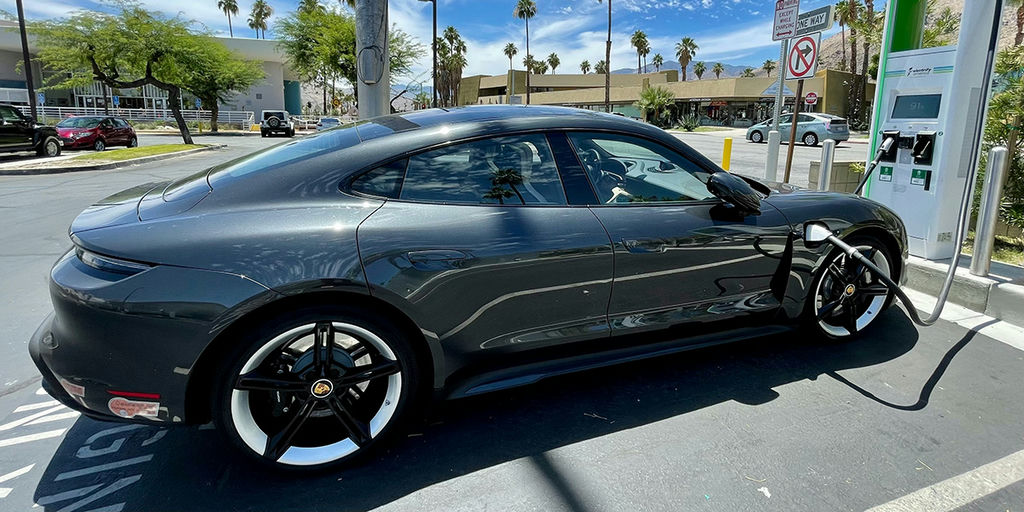
The United States is falling behind the rest of the world in production and sales of electric vehicles (EVs), spurred by the Trump administration’s aggressive actions to undo measures intended to curb the greenhouse gas emissions that are driving climate change. But ultimately the transition away from fossil fuel-powered vehicles cannot be stopped, EV advocates say.
Sales of electric vehicles climbed by 20% globally in 2025, including a 33% spike in Europe, Inside Climate News reported in February, citing the research firm Rho Motion. Meanwhile, U.S. sales dropped 4% for the year.
“While it's hard to say how long it will take, I am confident that EV technology will prevail in the U.S. the same way it will prevail worldwide. EVs are a far superior technology,” said Ingrid Malmgren, senior policy director for the nonprofit Plug In America. Beyond their environmental and health benefits, they are more efficient, a better driving experience, and require less maintenance than gas-powered vehicles, she added.
“I do think that the U.S. will get to the point, it might be sometime in the 2030s, where we will start to accelerate like we've seen in Europe and in China,” said John Higham, vice president of communications and public affairs for the nongovernmental Electric Vehicle Association. “But I don't think that time is yet. And it's not because the cars aren't ready. It's not because the infrastructure isn’t ready. It's not even because the people aren't ready. But, unfortunately, it's because EVs have become politicized, and it is difficult for a certain segment of the population to admit that EVs are a good and viable option.”
Power Politics
Since President Donald Trump was re-elected to office in 2024, his Cabinet agencies have taken direct aim at EVs and clean energy more broadly.
In February, the U.S. Environmental Protection Agency repealed the 2009 “endangerment finding” that formalized greenhouse gas emissions as a public health threat demanding regulation. Among other impacts, this automatically undoes restrictions on emissions from motor vehicles. Transportation is the No. 1 source of greenhouse gases in the United States.
Trump cut off a program that provided up to $7,500 in federal tax credits for buying a new EV in late 2025, more than seven years before the initiative was originally scheduled to expire. The administration has also sought to freeze the $5 billion National Electric Vehicle Infrastructure (NEVI) Formula Program, established to deploy EV charging systems across the country, but a federal judge ruled early this year the funds must be released.
“All of the regulations that incentivize automakers to make more efficient, cleaner cars are being removed by this administration, so automakers are more likely to make high-profit gas guzzlers, essentially increasing short-term profits for automakers and long-term profits for gasoline companies,” Malmgren said. “This is at the expense of health, air quality, climate, and long-term competitiveness of the U.S. auto industry.”
Repeal of the endangerment finding is a “foundational move” against the economic stability of the United States, according to Higham. The best-case scenario for the moment is that automakers simply continue with their existing EV plans, recognizing that they are competing in a global auto market that is rapidly electrifying, he said. But that is not a given. “At its very minimum, it injects uncertainty into economic forecasts and it is difficult to be successful with that uncertainty.”
Domestic automakers are already showing signs of retreat from the EV market, Inside Climate News noted. Late last year, Ford said it would halt production of its F-150 Lightning within a broader rollback on EV efforts. General Motors will also not proceed with anticipated EV production at a facility in Michigan.
Fighting for EVs
States, environmental organizations, and EV advocates are contesting the Trump administration’s moves in court. Multiple lawsuits have already been filed against the repeal of the endangerment finding.
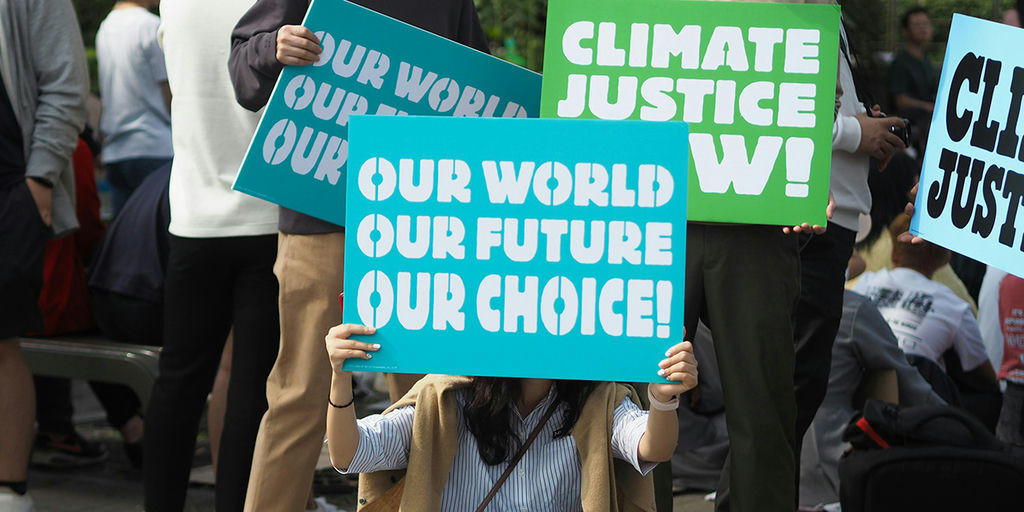
Individuals and communities also have key roles in advancing EVs, Malmgren and Higham said. “Certainly how you vote matters,” Malmgren told Earth Hero. “Folks should continue to educate themselves and understand how their members of Congress vote to ensure that their interests are represented.”
Both emphasized the importance of support for local pro-EV policymaking. City council budgets that fund charging infrastructure make it easier for drivers to convert to EVs, Malmgren said. Matters like site permitting for DC fast chargers and utility access are also handled locally. That extends to revising state or local building codes to require EV charging at new multifamily homes, Higham said, highlighting lack of immediate multifamily residential access to chargers as a financial obstacle for many consumers. “A handful of local voices can change outcomes,” he said.
Personal connections are also important, Malmgren added. Many EV drivers bought their vehicles after learning about the experience from friends and neighbors.
Beyond the Green
Political polarization is not the only barrier to increased uptake of electric vehicles. Drivers who don’t care about EVs’ green bona fides must be persuaded that they are simply better rides, Higham said. “The people that need to be converted, they need to be converted because it's a better driving experience. It's fun to drive, and it's more economical, and those are the things that are going to win people over who have yet to be converted.”
Certain myths about electric vehicles also must be dispelled, Malmgren said. In a 2025 survey of more than 27,500 EV drivers worldwide, the Global EV Alliance found that 58% agreed or strongly agreed that myths on EVs made it difficult for them to persuade friends and family to buy a vehicle. Seventy-seven percent of respondents listed myths among the top barriers to EV adoption in their country.
“Disinformation creates and perpetuates fear, uncertainty, and doubt. Drivers in the U.S. are highly reliant on their cars, which can contribute to a general fear of change. False narratives about EV fires, inadequate range, and concerns about a lack of charging feed into this fear,” Malmgren said. “Between these myths and a fear of change, drivers may be influenced to stick with gas despite the many benefits EVs offer.”
Earth Hero offers dozens of actions that energy-minded individuals and communities can take to reduce their greenhouse gas output. You can find them here. Please also read Earth Hero’s article on the future of the U.S. solar industry.