Climate Anxiety: Keeping Calm While Addressing the Problem
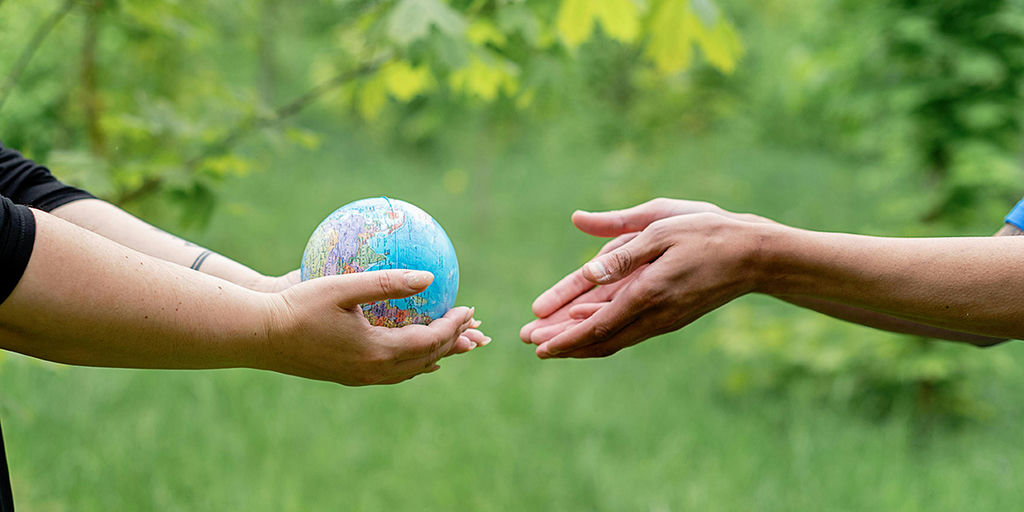
Photo by Mikhail Nilov on Pexels
Climate anxiety (also called eco-anxiety) is the human stress response to climate change: wildfires, floods, heat waves, and the nagging sense that the future feels shakier than it should. The American Psychological Association has described eco-anxiety as a “chronic fear” about environmental harm, and you do not have to be “overreacting” to feel it. But take heart - you can take your feelings seriously without letting them run your life, and you can take action without burning out.
If You Only Read One Section…
Climate anxiety eases when you do two things at the same time: regulate your nervous system and reconnect to agency. Start small and specific (one habit, one conversation, one civic step), and treat consistency as the win. Aim for “enough” action that you feel aligned, not so much that you collapse.
Here’s a small menu of actions that does not require a personality transplant:
- Choose one “repeatable” climate habit (less food waste, talk about climate to others, a home energy tweak) and do it weekly.
- Join a local group once a month (mutual aid, neighborhood resilience, conservation, climate advocacy).
- Call or email an elected official about one specific policy issue you support.
- Move one account you follow from doom to solutions (science communicators, local organizers, clean energy updates).
- Have a “two-sentence” climate conversation with someone you trust: what you are feeling + one thing you are doing.
- Donate (even a small amount) to a high-impact organization.
Pathways to Action and Relief
You can start with personal actions like reducing food waste, improving home energy efficiency, or taking fewer flights. These habits reduce your individual footprint while influencing those around you, which helps build personal steadiness through a routine. Moving into the community lane, participating in local tree care, mutual aid, or school initiatives builds shared capacity and local preparedness. This shift is vital for mental health because it converts feelings of isolation into a sense of belonging.
Civic engagement, such as voting, calling representatives, or signing petitions, targets system-level levers. Engaging in these activities is a direct way to turn abstract worry into concrete agency. In your work or skills, you can scale your impact through institutions by pursuing climate-aligned projects or volunteering your professional expertise. This makes climate action a part of your identity rather than just a chore. Finally, financial choices like aligning your banking and investments or making targeted donations influence capital flows and incentives. Taking these steps can specifically help reduce the "I’m complicit" spirals that often trigger deeper distress.
Turning Values Into a Livelihood (Without Greenwashing Yourself)
One way people channel climate concern is by starting an eco-friendly business: repair services, refill shops, energy audits, climate-smart landscaping, low-waste products, or local logistics that cut emissions. If you go this route, forming a Limited Liability Company (LLC) can have practical upsides, including limited personal liability, potential tax advantages, and flexibility in how you run the business (often with less paperwork than a corporation). Regulations and fees vary by state, so it’s smart to verify your state’s rules before you file, especially around naming, registered agents, and annual reports. The IRS website offers info and FAQ’s for getting started.
Common Questions People Don’t Say Out Loud
- **Is climate anxiety “normal”? **Yes. Many people report worry about climate change, and it can range from mild background stress to something that affects daily life.
- **How do I know if I need professional support? **If anxiety is disrupting sleep, relationships, work, or you feel stuck in dread most days, it may help to talk with a licensed mental health professional.
- **Does personal lifestyle change matter, or is it all systemic? **Both. Personal choices can reduce emissions and influence social norms, while civic and community actions help change systems.
- **What if taking action makes me feel worse? **That can happen when you take on too much, too fast—or only consume grim information. Pair action with rest and boundaries.
A Practical Reset You Can Use on a Bad Day
Below are a few things you can do to address feelings of climate-related anxiety:
- Name it: “I’m feeling climate anxiety right now.” (Labeling helps reduce overwhelm.)
- Body first: Six slow breaths, longer exhale than inhale.
- Micro-move: 20 squats, a short walk, or stretching—anything to discharge tension.
- Boundary: Pick a time limit for climate news today (example: 15 minutes).
- One next step: Choose one action you can complete in under 10 minutes (email, sign-up, donation, calendar a meeting).
- Close the loop: Write down what you did. Proof beats vibes.
A Resource Worth Bookmarking When You Need Solutions
If you’re craving clarity on what actually helps, Project Drawdown’s solutions database is a solid place to land. The Drawdown Explorer walks through climate solutions across sectors - food, energy, materials, buildings - so your next step can be grounded in evidence instead of vibes. It’s also useful when you’re stuck in “everything is pointless” thinking, because it breaks the crisis into specific levers. You can browse it casually, pick one solution to learn about, and then decide whether to act personally, locally, or politically.
Climate anxiety is painful, but it can also be a signal: you care, you notice, and you want to protect what matters. Start by calming the body, then pick one action that’s small enough to repeat. Let the community carry some of the weight. Over time, the combination of a steadier nervous system + steady agency is what turns dread into direction.