Travel Without Harm: Becoming a Conscious Tourist in a Fragile World
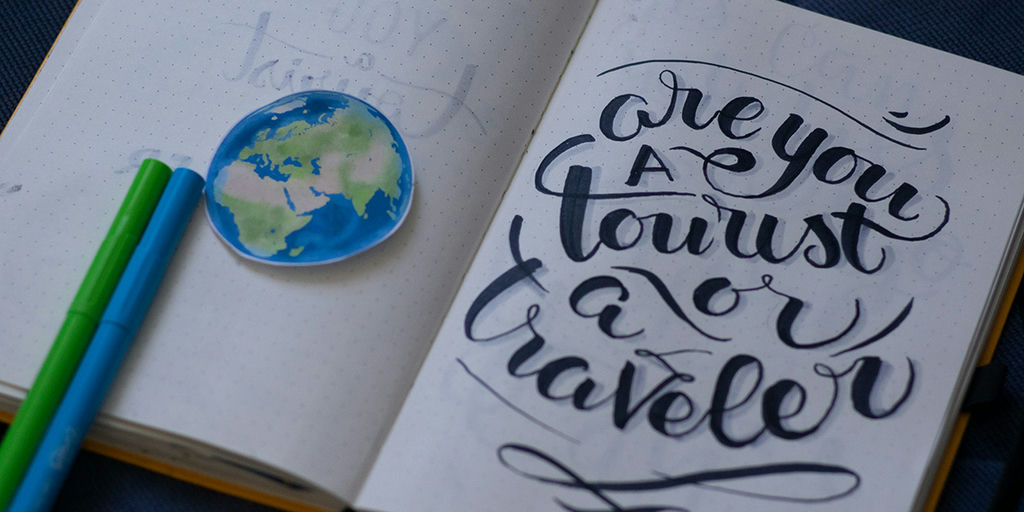
Photo by Elena Mozhvilo on Unsplash
Try to imagine a journey with no rigid itinerary, no photos you've already seen a hundred times online, no urge to capture the exact same shot everyone else is queuing up for.
It may be difficult.
Somewhere along the way, we have lost the instinctive, emotional connection to the places we visit, leaving travelers with nothing but the memory of something they'd already seen on a screen, and a landscape stripped of the authenticity it once had. Local traditions get reshaped, or hollowed out entirely, to meet visitor expectations, turning entire neighborhoods into stage sets for strangers hungry for a cliché.
Even food doesn't escape this flattening: menus get translated, spice gets dialed down, and centuries-old recipes are simplified into whatever version is easiest for an unfamiliar palate to swallow, a quiet flavor homogenization that erases the very identity travelers came looking for.
Have we ever stopped to ask what these mass-travel habits, shaped by the social media era, actually cost? The damage is real, and it rarely announces itself all at once, it builds quietly, in three directions at once: the communities who call these places home, the ecosystems that sustain them, and the very idea of what travel was supposed to feel like.
Effects on Communities
Unchecked mass tourism erodes the character of the cities it descends upon, and the pattern is remarkably consistent everywhere it happens. Rising demand inflates real estate prices until residents in central neighborhoods can no longer keep up. Housing is converted into short-term rentals, and the nearby shops, pulled into the same current, grow pricier and reshape themselves around what visitors expect rather than what locals actually need. Small, independent businesses get swallowed by international chains chasing the same foot traffic, accelerating gentrification block by block. An overabundance of visitors can make even the simplest daily errands difficult, and nights grow loud with behavior residents never signed up for, until people stop recognizing their own neighborhood and stop feeling at home in it.
Examples include:
- Barcelona, Paris, Rome: City centers are steadily depopulating as apartments convert into short-term rentals.
- Bali: Once known as a place to disconnect, immerse in ritual, and surf in peace, the island is now grappling with unchecked development that has filled it with chain hotels and shopping malls. Denpasar, the capital, sits under near-constant traffic and pollution, while beaches like Kuta struggle with waste management systems that were never built to keep pace with the crowds.
Effects on Ecosystems
Unregulated tourism growth is pushing some of the planet's most fragile ecosystems past their limit. Overconsumption of resources sits at the center of it, water and energy demand in tourist hubs regularly outpacing what the land can regenerate, leaving popular destinations under genuine water stress. Protected natural spaces degrade under the weight of waste that exceeds local disposal capacity, illegal activity that thrives wherever oversight is thin. Resort construction is pushed through in areas rich in biodiversity, with little regard for what's being paved over. Left unmanaged, none of this is temporary; the damage accumulates long after the last guest checks out.
Examples include:
- Fragile habitats: Excessive trampling in protected areas, natural “souvenir” collection (coral, shells), and unchecked construction all put biodiversity directly at risk.
- Emissions and waste: Travel and tourism accounted for 7.3% of global greenhouse gas emissions in 2024, while waste volumes in high-density tourist areas routinely exceed what local systems can handle.
- Resource strain: The Canary Islands absorbed over 10 million foreign visitors in the first half of 2025 alone, a scale of demand on water and energy that islands were never built to sustain.
Effects on the Places Themselves
Some of the most damaging visitor flows aren't even the ones that stay. Hit-and-run tourism, massive crowds arriving for just a few hours before moving on, congests a destination's most fragile points without leaving much behind in return.
Cruise tourism makes the imbalance obvious: in the Caribbean, ships account for the vast majority of all tourist arrivals, but because meals, shopping, and entertainment are already paid for on board, very little of what passengers spend ever reaches the shore. Thousands of people flood the same streets and monuments for just a few hours, overwhelming narrow historic centers built for a fraction of that traffic, then retreat back to the ship.
What Can We Do?
Being a responsible traveler doesn't require grand gestures, just a shift in how we show up:
- **Look with your own eyes, not through a screen: **Seek out the story behind a place instead of chasing the shot everyone else has already taken.
- Spend where it stays: Choose local shops, restaurants, and accommodations over the chains built to catch tourist traffic, they're the ones who actually reinvest in the community.
- **Ask, don't assume: **What's genuinely typical of a place often has little to do with the cliché sold to tourists. Locals are the best source.
- **Choose certified, not just labeled, sustainable: **Third-party sustainability certifications, GSTC-accredited ones especially, verify that a hotel or tour operator actually follows through on its claims, rather than just marketing itself as eco-friendly. When in doubt, ask if a property or operator has been certified before booking.
- **Leave the lightest footprint you can: **Dispose of waste responsibly, stick to marked trails, and stay mindful of water and energy use, both are often scarcer than they look from a hotel room.
None of these actions demand much, but they can be the difference between visiting a place, and quietly wearing it down. In the end, being a responsible traveler is really about listening to what draws us to travel in the first place: immersing ourselves in a culture, watching with admiration instead of interference, remembering that we are simply passing through a place whose history and identity existed long before us – and that deserves to go on long after.
What we should be bringing home isn't a checklist; it's stories, knowledge, and discoveries that actually change how we see things. We don't travel to check boxes off a disconnected list. We travel to grow.